Buy waste2go.eu ?
We are moving the project
waste2go.eu .
Are you interested in purchasing the domain
waste2go.eu ?
domain@kv-gmbh.de · 0541-91531010
Buy waste2go.eu ?
Is baking powder bio-based and environmentally friendly?
Baking powder is a chemical leavening agent that typically contains a combination of bicarbonate of soda, an acid, and a moisture-absorbing agent. While some baking powders may contain bio-based ingredients, such as cream of tartar as the acid component, the overall product is not considered entirely bio-based. In terms of environmental friendliness, baking powder is generally safe for the environment when used in moderation, as it breaks down into harmless substances during baking. However, excessive use of baking powder can contribute to sodium levels in waterways, which may have negative environmental impacts. **
What is more environmentally friendly: Tetra Pak or plastic bottle?
Tetra Pak is generally considered more environmentally friendly than plastic bottles. Tetra Pak is made from paperboard, which is a renewable resource, and it is recyclable. Additionally, Tetra Pak has a lower carbon footprint compared to plastic bottles due to its lighter weight and efficient packaging design. Plastic bottles, on the other hand, are made from non-renewable fossil fuels and have a higher environmental impact, especially when it comes to recycling and waste management. **

Similar search terms for Zero-Plastic-Plant-Based
Top-Angebote
Products related to Zero-Plastic-Plant-Based:
-
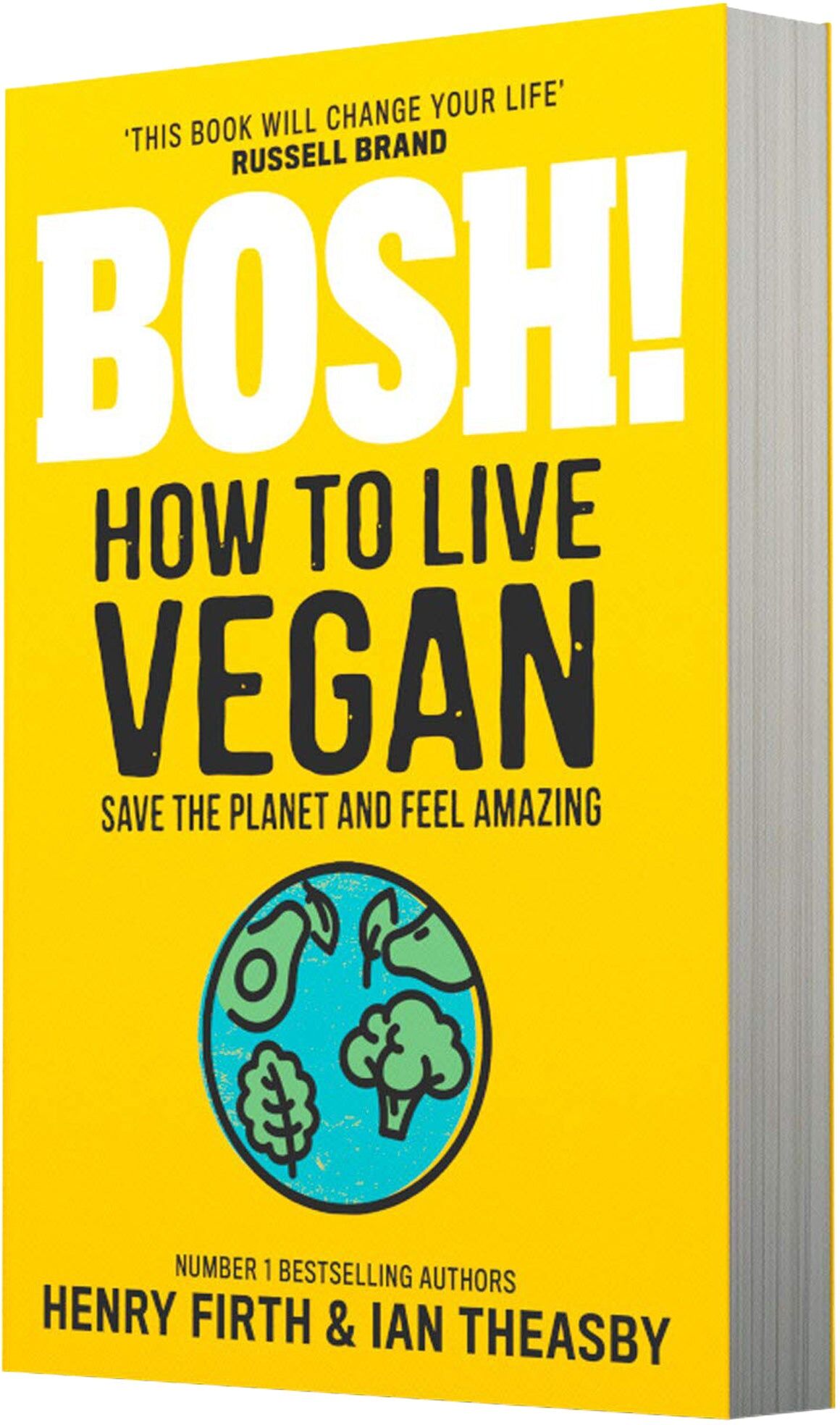
HQ BOSH! How to Live Vegan: Simple tips and easy eco-friendly plant based hacks from the #1 Sunday Times bestselling authors. PaperbackBOSH!, the pioneers of simple, easy and delicious plant-based cooking, are here to make a sustainable and ethical lifestyle accessible to everyone. BOSH! How to Live Vegan will help you make a few positive changes that will have a huge impact on the world around you. It covers all aspects of vegan living, everything from food to toiletries to travel. Should you be eating avocados? Is it still ok to wear an old leather belt? What do you tell your friends when they offer you a glass of non-vegan wine? Henry and Ian will answer these questions and more in this fully-comprehensive guide to the how and the why of a plant-based lifestyle. Henry and Ian answer all the questions and more, with easy tips and simple hacks to help you live a more sustainable life. Whether you’re already vegan or just about to start on your vegan journey, this is all the inspiration you need.3,94 £*Shipping: 1,99 £Secure redirect to the provider
-
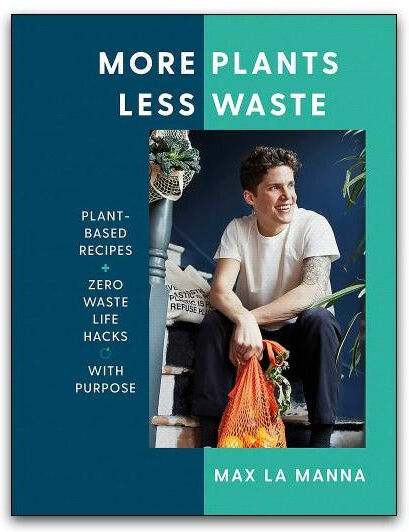
Yellow Kite More Plants Less Waste by Max La Manna Plant Based Recipes and Zero Waste Living GuideMax La Manna, low waste chef and climate activist, bridges the gap between vegan food and waste-free cooking - inviting us to channel the MORE PLANTS LESS WASTE mindset and discover a stronger purpose in the kitchen and in our daily routines. Through his viral recipe videos and work with BBC Earth and beyond, Max has inspired hundreds of thousands of people across the world to rethink their approach to food consumption and made it his mission to breathe new life into our leftovers that are typically destined for the bin. In his first cookbook he shares 80 of his tastiest, healthy recipes that are bursting with flavour, will help you save money, food and ensure you eat well - from Sumptuous Spag Bol and Vegan Shepherd's Pie to Pumpkin Pasta, Crunchy Cauliflower Curry or Leftover Veggie Nachos in a Hurry.. MORE PLANTS->LESS WASTE INCLUDES: - simple, accessible ingredients that celebrate the power of vegetables and wholefoods at their best - breakfasts, lunches, dinners, soups, stews and salads - plus sweet treats - all-natural home hacks from DIY deodorant to Citrus Bomb House Cleanser - the life tools you need to add value to what you already own and set you on the path to living more sustainably - a 21-day zero waste challenge7,49 £*Shipping: 2,99 £Secure redirect to the provider
-
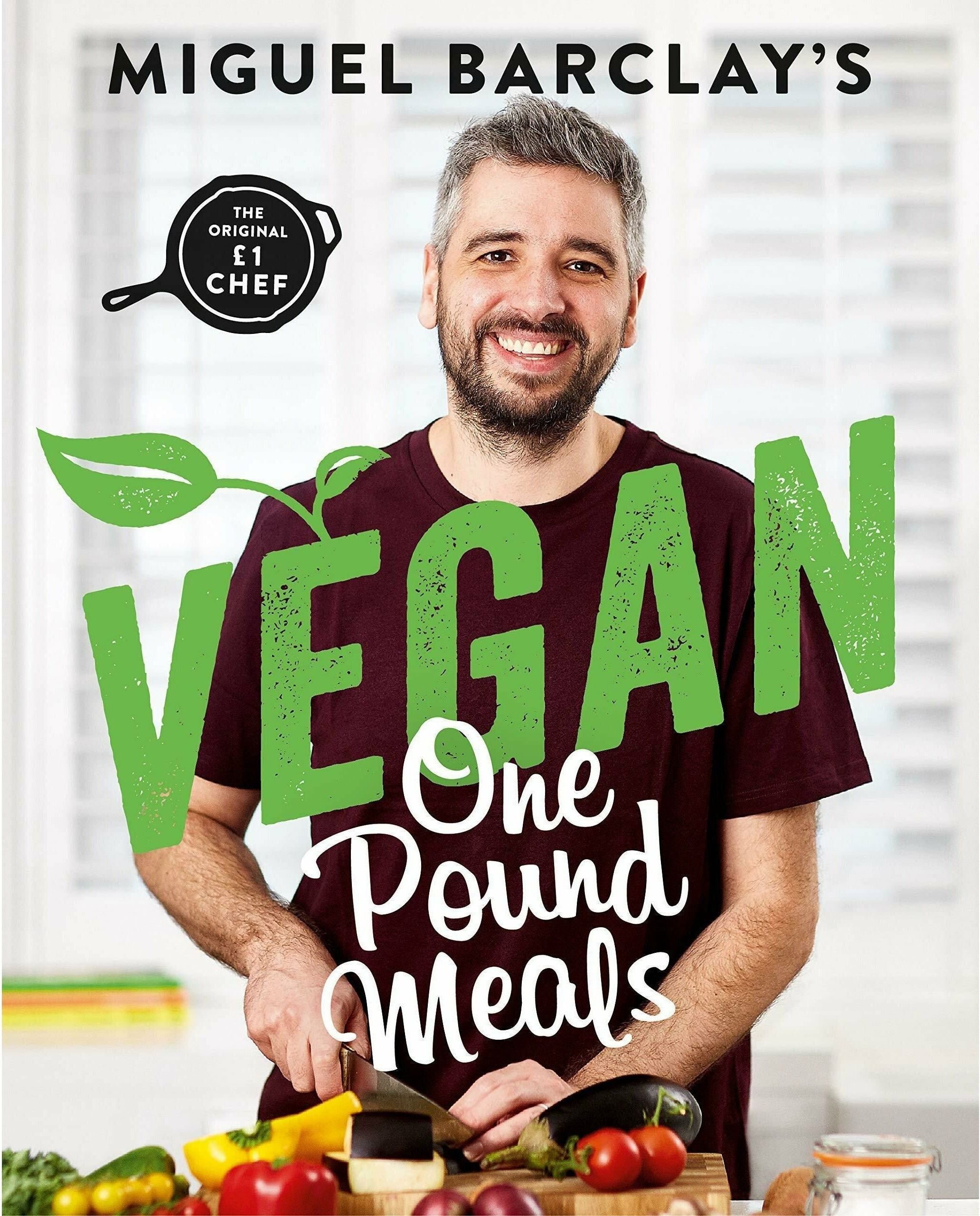
Headline Vegan One Pound Meals: Delicious budget-friendly plant-based recipes all for One Pound per person by Miguel BarclayMiguel Barclay's One Pound Meals, became the bestselling debut cookbook of 2017. Vegan One Pound Meals, his fourth book in the series focusses on vegan recipes, with Miguel showing just how accessible it can be to eat vegan meals on a budget, with each recipe costing just £1 per portion.You might think that it's expensive to change your diet to a vegan one, but Miguel will show you that it's entirely do-able on a tiny budget. Once again, through his ingenious recipes, he will bring delicious food to your table without the expense.There's over 85 recipes to choose from, including:* Sweet Potato Katsu Curry* Golden Syrup Broccoli Noodles* Mac & No Cheese* Sticky Aubergine Bao* Black Bean Meatballs* Vegan Sausage Rolls* Mexican Stuffed Peppers* Oothappam Indian Crumpets7,95 £*Shipping: 2,99 £Secure redirect to the provider
-
Is this wax from the Babybel more environmentally friendly than plastic?
While wax is biodegradable and can be composted, it is important to consider the overall environmental impact of the product. Wax production can still have negative environmental consequences, such as deforestation for the production of palm wax. Plastic, on the other hand, is known for its long-lasting environmental impact due to its slow decomposition rate. Therefore, while wax may be a more environmentally friendly option compared to plastic, it is essential to consider the entire lifecycle of the product to determine its overall environmental impact. **
-
Are plastic yogurt cups more environmentally friendly than reusable glass jars?
Plastic yogurt cups are generally less environmentally friendly than reusable glass jars. While plastic can be recycled, it often ends up in landfills or the ocean, where it takes hundreds of years to decompose. Glass, on the other hand, is infinitely recyclable and does not leach harmful chemicals into the environment. Additionally, the production of plastic requires fossil fuels, contributing to greenhouse gas emissions, while glass production is less energy-intensive. Therefore, using reusable glass jars for yogurt is a more sustainable choice. **
-
Are plastic yogurt containers more environmentally friendly than reusable glass jars?
Plastic yogurt containers are generally considered less environmentally friendly than reusable glass jars. This is because plastic containers contribute to plastic pollution, take hundreds of years to decompose, and are often not recycled properly. On the other hand, glass jars can be reused multiple times, recycled infinitely, and have a lower environmental impact in terms of production and disposal. Therefore, opting for reusable glass jars over plastic yogurt containers is a more sustainable choice for the environment. **
-
How environmentally friendly or environmentally harmful is the abbreviation KKW for nuclear power plant?
The abbreviation KKW stands for Kernkraftwerk, which is the German term for nuclear power plant. In terms of environmental impact, nuclear power plants have both positive and negative aspects. On the positive side, they do not produce greenhouse gas emissions during electricity generation, which helps to mitigate climate change. However, nuclear power plants do produce radioactive waste, which can be harmful to the environment if not properly managed. Additionally, there is the potential for accidents and the release of radioactive materials, which can have severe environmental consequences. Overall, the environmental impact of KKW abbreviation for nuclear power plant is a complex issue that requires careful consideration of both its benefits and risks. **


What is plant-based gelatin?
Plant-based gelatin is a type of gelatin that is made from plant sources, such as seaweed or agar-agar. It is a vegan alternative to traditional gelatin, which is derived from animal collagen. Plant-based gelatin can be used in a variety of food and beverage products to provide the same gelling and thickening properties as traditional gelatin, without the use of animal products. It is a popular choice for those following a vegan or vegetarian diet, as well as for individuals looking to reduce their consumption of animal-derived ingredients. **
Can tissues be disposed of in a more environmentally friendly way by composting them or putting them in the recycling bin?
Tissues cannot be composted or put in the recycling bin. Tissues are made of paper, but they are not suitable for recycling because they are often contaminated with bodily fluids and are too small and fragile to be processed in recycling facilities. Composting is also not recommended for tissues because they can introduce pathogens and contaminants into the composting process. The best way to dispose of tissues is to throw them in the regular trash. **
Top-Angebote
Products related to Zero-Plastic-Plant-Based:
-
Zero Plastic Plant Based Sellotape 24mm X 30mSellotape Zero Plastic Plant Based Tape is the eco-conscious solution for all your sticking and wrapping needs. This 24mm x 30m roll is strong, sticky, and incredibly easy to use, tearing cleanly by hand without scissors. Perfect for gift wrapping, arts and crafts, and general home office use, it fits standard large core dispensers for added convenience. Most importantly, this is a truly sustainable choice. The tape and its packaging are 100% biodegradable and compostable. It's crafted from cellulose film and a naturally based glue, with all wood pulp sourced from PEFC certified sustainable forests. After use, simply dispose of it with your regular recycling. Make the responsible switch to a high-performance tape that cares for the planet.13,49 £*Shipping: 0,00 £Secure redirect to the provider
-
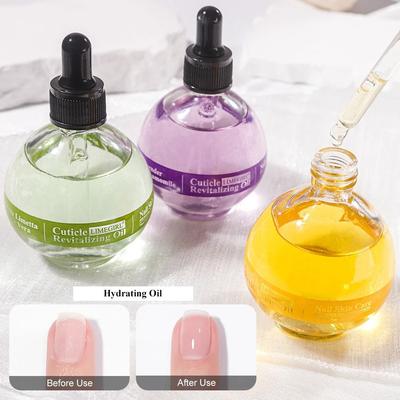
Uplift Essentials Plant Based Cuticle Nutrient Oil greenRestore the natural vitality of your hands with a highcapacity treatment designed for deep cellular repair. This 75ml cuticle nutrient oil is a professionalgrade solution formulated to nourish and repair damaged nails and surrounding skin. Infused...59,97 $*Shipping: 0,00 $Secure redirect to the provider
-
HQ BOSH! How to Live Vegan: Simple tips and easy eco-friendly plant based hacks from the #1 Sunday Times bestselling authors. PaperbackBOSH!, the pioneers of simple, easy and delicious plant-based cooking, are here to make a sustainable and ethical lifestyle accessible to everyone. BOSH! How to Live Vegan will help you make a few positive changes that will have a huge impact on the world around you. It covers all aspects of vegan living, everything from food to toiletries to travel. Should you be eating avocados? Is it still ok to wear an old leather belt? What do you tell your friends when they offer you a glass of non-vegan wine? Henry and Ian will answer these questions and more in this fully-comprehensive guide to the how and the why of a plant-based lifestyle. Henry and Ian answer all the questions and more, with easy tips and simple hacks to help you live a more sustainable life. Whether you’re already vegan or just about to start on your vegan journey, this is all the inspiration you need.3,94 £*Shipping: 1,99 £Secure redirect to the provider
-
Yellow Kite More Plants Less Waste by Max La Manna Plant Based Recipes and Zero Waste Living GuideMax La Manna, low waste chef and climate activist, bridges the gap between vegan food and waste-free cooking - inviting us to channel the MORE PLANTS LESS WASTE mindset and discover a stronger purpose in the kitchen and in our daily routines. Through his viral recipe videos and work with BBC Earth and beyond, Max has inspired hundreds of thousands of people across the world to rethink their approach to food consumption and made it his mission to breathe new life into our leftovers that are typically destined for the bin. In his first cookbook he shares 80 of his tastiest, healthy recipes that are bursting with flavour, will help you save money, food and ensure you eat well - from Sumptuous Spag Bol and Vegan Shepherd's Pie to Pumpkin Pasta, Crunchy Cauliflower Curry or Leftover Veggie Nachos in a Hurry.. MORE PLANTS->LESS WASTE INCLUDES: - simple, accessible ingredients that celebrate the power of vegetables and wholefoods at their best - breakfasts, lunches, dinners, soups, stews and salads - plus sweet treats - all-natural home hacks from DIY deodorant to Citrus Bomb House Cleanser - the life tools you need to add value to what you already own and set you on the path to living more sustainably - a 21-day zero waste challenge7,49 £*Shipping: 2,99 £Secure redirect to the provider
-
Is baking powder bio-based and environmentally friendly?
Baking powder is a chemical leavening agent that typically contains a combination of bicarbonate of soda, an acid, and a moisture-absorbing agent. While some baking powders may contain bio-based ingredients, such as cream of tartar as the acid component, the overall product is not considered entirely bio-based. In terms of environmental friendliness, baking powder is generally safe for the environment when used in moderation, as it breaks down into harmless substances during baking. However, excessive use of baking powder can contribute to sodium levels in waterways, which may have negative environmental impacts. **
-
What is more environmentally friendly: Tetra Pak or plastic bottle?
Tetra Pak is generally considered more environmentally friendly than plastic bottles. Tetra Pak is made from paperboard, which is a renewable resource, and it is recyclable. Additionally, Tetra Pak has a lower carbon footprint compared to plastic bottles due to its lighter weight and efficient packaging design. Plastic bottles, on the other hand, are made from non-renewable fossil fuels and have a higher environmental impact, especially when it comes to recycling and waste management. **
-
Is this wax from the Babybel more environmentally friendly than plastic?
While wax is biodegradable and can be composted, it is important to consider the overall environmental impact of the product. Wax production can still have negative environmental consequences, such as deforestation for the production of palm wax. Plastic, on the other hand, is known for its long-lasting environmental impact due to its slow decomposition rate. Therefore, while wax may be a more environmentally friendly option compared to plastic, it is essential to consider the entire lifecycle of the product to determine its overall environmental impact. **
-
Are plastic yogurt cups more environmentally friendly than reusable glass jars?
Plastic yogurt cups are generally less environmentally friendly than reusable glass jars. While plastic can be recycled, it often ends up in landfills or the ocean, where it takes hundreds of years to decompose. Glass, on the other hand, is infinitely recyclable and does not leach harmful chemicals into the environment. Additionally, the production of plastic requires fossil fuels, contributing to greenhouse gas emissions, while glass production is less energy-intensive. Therefore, using reusable glass jars for yogurt is a more sustainable choice. **
Similar search terms for Zero-Plastic-Plant-Based
-
Headline Vegan One Pound Meals: Delicious budget-friendly plant-based recipes all for One Pound per person by Miguel BarclayMiguel Barclay's One Pound Meals, became the bestselling debut cookbook of 2017. Vegan One Pound Meals, his fourth book in the series focusses on vegan recipes, with Miguel showing just how accessible it can be to eat vegan meals on a budget, with each recipe costing just £1 per portion.You might think that it's expensive to change your diet to a vegan one, but Miguel will show you that it's entirely do-able on a tiny budget. Once again, through his ingenious recipes, he will bring delicious food to your table without the expense.There's over 85 recipes to choose from, including:* Sweet Potato Katsu Curry* Golden Syrup Broccoli Noodles* Mac & No Cheese* Sticky Aubergine Bao* Black Bean Meatballs* Vegan Sausage Rolls* Mexican Stuffed Peppers* Oothappam Indian Crumpets7,95 £*Shipping: 2,99 £Secure redirect to the provider
-
Weleda Dental Care plant-based dental gel 75 mlWeleda Dental Care, 75 ml, Toothpastes unisex, The Weleda Dental Care toothpaste ensures complete care for your teeth and gums. It cleans teeth of plaque and food remnants while caring for the gums and mucous membranes in your mouth. Characteristics: cleans teeth reliably takes care of gums How to use: Clean the teeth at least twice a day with a quality toothbrush.4,60 £*Shipping: 3,99 £Secure redirect to the provider
-
Are plastic yogurt containers more environmentally friendly than reusable glass jars?
Plastic yogurt containers are generally considered less environmentally friendly than reusable glass jars. This is because plastic containers contribute to plastic pollution, take hundreds of years to decompose, and are often not recycled properly. On the other hand, glass jars can be reused multiple times, recycled infinitely, and have a lower environmental impact in terms of production and disposal. Therefore, opting for reusable glass jars over plastic yogurt containers is a more sustainable choice for the environment. **
-
How environmentally friendly or environmentally harmful is the abbreviation KKW for nuclear power plant?
The abbreviation KKW stands for Kernkraftwerk, which is the German term for nuclear power plant. In terms of environmental impact, nuclear power plants have both positive and negative aspects. On the positive side, they do not produce greenhouse gas emissions during electricity generation, which helps to mitigate climate change. However, nuclear power plants do produce radioactive waste, which can be harmful to the environment if not properly managed. Additionally, there is the potential for accidents and the release of radioactive materials, which can have severe environmental consequences. Overall, the environmental impact of KKW abbreviation for nuclear power plant is a complex issue that requires careful consideration of both its benefits and risks. **
-
What is plant-based gelatin?
Plant-based gelatin is a type of gelatin that is made from plant sources, such as seaweed or agar-agar. It is a vegan alternative to traditional gelatin, which is derived from animal collagen. Plant-based gelatin can be used in a variety of food and beverage products to provide the same gelling and thickening properties as traditional gelatin, without the use of animal products. It is a popular choice for those following a vegan or vegetarian diet, as well as for individuals looking to reduce their consumption of animal-derived ingredients. **
-
Can tissues be disposed of in a more environmentally friendly way by composting them or putting them in the recycling bin?
Tissues cannot be composted or put in the recycling bin. Tissues are made of paper, but they are not suitable for recycling because they are often contaminated with bodily fluids and are too small and fragile to be processed in recycling facilities. Composting is also not recommended for tissues because they can introduce pathogens and contaminants into the composting process. The best way to dispose of tissues is to throw them in the regular trash. **
* All prices are inclusive of VAT and, if applicable, plus shipping costs. The offer information is based on the details provided by the respective shop and is updated through automated processes. Real-time updates do not occur, so deviations can occur in individual cases. ** Note: Parts of this content were created by AI.