Buy waste2go.eu ?
We are moving the project
waste2go.eu .
Are you interested in purchasing the domain
waste2go.eu ?
domain@kv-gmbh.de · 0541-91531010
Buy waste2go.eu ?
Why is stainless steel environmentally friendly?
Stainless steel is considered environmentally friendly for several reasons. Firstly, it is 100% recyclable, meaning it can be reused indefinitely without losing its properties. This reduces the need for new raw materials and minimizes waste. Additionally, the production process of stainless steel consumes less energy and emits fewer greenhouse gases compared to other materials, making it a more sustainable choice. Finally, stainless steel is highly durable and resistant to corrosion, which means it has a longer lifespan and reduces the need for frequent replacements, further reducing its environmental impact. **
What are environmentally friendly non-polar solvents?
Environmentally friendly non-polar solvents are solvents that have low toxicity, low volatility, and are biodegradable. They are typically derived from renewable resources and do not contribute to ozone depletion or global warming. Examples of environmentally friendly non-polar solvents include limonene, terpenes, and certain types of vegetable oils. These solvents are being increasingly used as alternatives to traditional petroleum-based solvents in various industries to reduce environmental impact. **
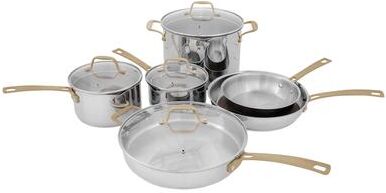
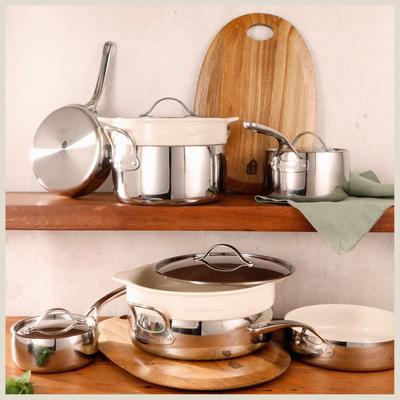
Similar search terms for ZLINE-10-Piece-Non-Toxic-Stainless
Top-Angebote
Products related to ZLINE-10-Piece-Non-Toxic-Stainless:
-
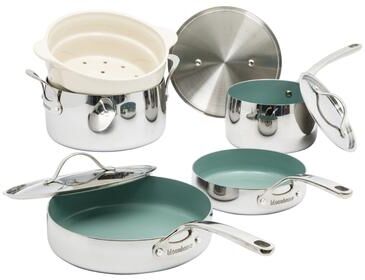
Bloomhouse 8 Piece Triply Stainless Steel Pots and Pans Cookware Set W/ Non Toxic Pro Ceramic Non Stick InteriorSelected as one of Oprah's Favorite Things in 2022, bloomhouse develops non-toxic housewares for a healthy lifestyle. This 15-piece set delivers optimal heat distribution and nonstick performance, made without PTFE, PFOA, PFAS, lead, or cadmium.295,00 $*Shipping: 0,00 $Secure redirect to the provider
-
Oster Beauford 9 Piece Stainless Steel Non-Toxic Cookware Set W/ Tri-Ply Encapsulated Bottom & Soft Touch HandlesWhether a home chef needs to cook up a storm or put together a quick meal with 5 ingredients or less, the Oster™ Beauford Stainless Steel Cookware Set has the versatility and durability to deliver delicious results.99,99 $*Shipping: 0,00 $Secure redirect to the provider
-
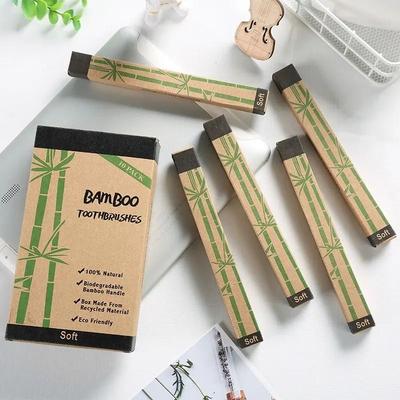
Uplift Essentials Natural Bamboo Eco Friendly Toothbrush 10 Piece Sustainable Family Pack Natural Bamboo Eco Friendly Toothbrush 10 Piece Sustainable Family PackTransition to a greener routine with this Natural Bamboo Toothbrush Set, a premium collection of bamboo products designed to reduce environmental impact without compromising on performance. Each handle is crafted from 100% sustainable bamboo,...37,97 $*Shipping: 0,00 $Secure redirect to the provider
-
Blaumann 10 - Piece Non-Stick Stainless Steel Cookware Set Silver 10With an eye-catching design, this set is a striking addition to any kitchen. Comprising of stockpots as well as saucepans and a frying pan, you can now create a whole host of delicious dishes, hassle-free. Crafted from high-quality stainless steel, each pan is designed to withstand continuous use whilst also boasting enhanced durability. Each item requires only a simple hand wash to maintain its optimum performance. Blaumann44,99 £*Shipping: 4,99 £Secure redirect to the provider


-
What are the risks associated with the disposal, reuse, and recycling of non-toxic materials?
The disposal, reuse, and recycling of non-toxic materials still pose risks to the environment and human health. Improper disposal can lead to contamination of soil and water, while reuse and recycling processes can release harmful chemicals and emissions if not properly managed. Additionally, the transportation and handling of these materials can also pose risks if not done carefully. Therefore, it is important to ensure that non-toxic materials are disposed of, reused, and recycled in a responsible and environmentally friendly manner to minimize these risks. **
-
What is the difference between toxic and non-toxic?
Toxic substances are harmful and can cause damage to living organisms, including humans, when they are ingested, inhaled, or come into contact with the skin. They can cause illness, injury, or even death. Non-toxic substances, on the other hand, are not harmful to living organisms and do not cause any adverse effects when they are used or encountered. Non-toxic substances are generally safe for humans, animals, and the environment. **
-
Are there any non-toxic jellyfish?
Yes, there are non-toxic jellyfish species. Some jellyfish species do not have stinging cells or have very mild venom that is not harmful to humans. For example, the moon jellyfish (Aurelia aurita) and the comb jellyfish (Mnemiopsis leidyi) are considered non-toxic and are not harmful to humans. These non-toxic jellyfish are often found in coastal waters and are generally safe to swim with. **
-
Is the abrasion of stainless steel drinking fountains toxic?
The abrasion of stainless steel drinking fountains is not inherently toxic. Stainless steel is a non-toxic and non-reactive material, so the abrasion of the surface is unlikely to introduce any harmful substances into the water. However, if the abrasion is severe enough to cause the release of metal particles, there is a potential for those particles to contaminate the water. Regular maintenance and inspection of stainless steel drinking fountains can help prevent excessive abrasion and ensure the safety of the water supply. **
Can tissues be disposed of in a more environmentally friendly way by composting them or putting them in the recycling bin?
Tissues cannot be composted or put in the recycling bin. Tissues are made of paper, but they are not suitable for recycling because they are often contaminated with bodily fluids and are too small and fragile to be processed in recycling facilities. Composting is also not recommended for tissues because they can introduce pathogens and contaminants into the composting process. The best way to dispose of tissues is to throw them in the regular trash. **
What would be a non-friendly hug?
A non-friendly hug would be one that is forced or insincere, lacking warmth and genuine emotion. It may also be overly aggressive or invasive, making the recipient feel uncomfortable or unsafe. Additionally, a non-friendly hug could be one that is given with ulterior motives or without the consent of the other person. **
Top-Angebote
Products related to ZLINE-10-Piece-Non-Toxic-Stainless:
-
Bloomhouse 12 Piece Triply Stainless Steel Cookware Set w/ Non-Stick Non-Toxic Ceramic Interior and Ceramic Steamer InsertsA health-driven, eco-conscious and artisanal-inspired suite of pots and pans, the bloomhouse™ 12-piece Stainless Steel Cookware Set with Ceramic Steamer Inserts lends a sense of abundance and beauty to any kitchen with full, round-shaped cookware -…350,00 $*Shipping: 0,00 $Secure redirect to the provider
-
Bloomhouse 8 Piece Triply Stainless Steel Pots and Pans Cookware Set W/ Non Toxic Pro Ceramic Non Stick InteriorSelected as one of Oprah's Favorite Things in 2022, bloomhouse develops non-toxic housewares for a healthy lifestyle. This 15-piece set delivers optimal heat distribution and nonstick performance, made without PTFE, PFOA, PFAS, lead, or cadmium.295,00 $*Shipping: 0,00 $Secure redirect to the provider
-
Oster Beauford 9 Piece Stainless Steel Non-Toxic Cookware Set W/ Tri-Ply Encapsulated Bottom & Soft Touch HandlesWhether a home chef needs to cook up a storm or put together a quick meal with 5 ingredients or less, the Oster™ Beauford Stainless Steel Cookware Set has the versatility and durability to deliver delicious results.99,99 $*Shipping: 0,00 $Secure redirect to the provider
-
Why is stainless steel environmentally friendly?
Stainless steel is considered environmentally friendly for several reasons. Firstly, it is 100% recyclable, meaning it can be reused indefinitely without losing its properties. This reduces the need for new raw materials and minimizes waste. Additionally, the production process of stainless steel consumes less energy and emits fewer greenhouse gases compared to other materials, making it a more sustainable choice. Finally, stainless steel is highly durable and resistant to corrosion, which means it has a longer lifespan and reduces the need for frequent replacements, further reducing its environmental impact. **
-
What are environmentally friendly non-polar solvents?
Environmentally friendly non-polar solvents are solvents that have low toxicity, low volatility, and are biodegradable. They are typically derived from renewable resources and do not contribute to ozone depletion or global warming. Examples of environmentally friendly non-polar solvents include limonene, terpenes, and certain types of vegetable oils. These solvents are being increasingly used as alternatives to traditional petroleum-based solvents in various industries to reduce environmental impact. **
-
What are the risks associated with the disposal, reuse, and recycling of non-toxic materials?
The disposal, reuse, and recycling of non-toxic materials still pose risks to the environment and human health. Improper disposal can lead to contamination of soil and water, while reuse and recycling processes can release harmful chemicals and emissions if not properly managed. Additionally, the transportation and handling of these materials can also pose risks if not done carefully. Therefore, it is important to ensure that non-toxic materials are disposed of, reused, and recycled in a responsible and environmentally friendly manner to minimize these risks. **
-
What is the difference between toxic and non-toxic?
Toxic substances are harmful and can cause damage to living organisms, including humans, when they are ingested, inhaled, or come into contact with the skin. They can cause illness, injury, or even death. Non-toxic substances, on the other hand, are not harmful to living organisms and do not cause any adverse effects when they are used or encountered. Non-toxic substances are generally safe for humans, animals, and the environment. **
Similar search terms for ZLINE-10-Piece-Non-Toxic-Stainless
-
Uplift Essentials Natural Bamboo Eco Friendly Toothbrush 10 Piece Sustainable Family Pack Natural Bamboo Eco Friendly Toothbrush 10 Piece Sustainable Family PackTransition to a greener routine with this Natural Bamboo Toothbrush Set, a premium collection of bamboo products designed to reduce environmental impact without compromising on performance. Each handle is crafted from 100% sustainable bamboo,...37,97 $*Shipping: 0,00 $Secure redirect to the provider
-
Blaumann 10 - Piece Non-Stick Stainless Steel Cookware Set Silver 10With an eye-catching design, this set is a striking addition to any kitchen. Comprising of stockpots as well as saucepans and a frying pan, you can now create a whole host of delicious dishes, hassle-free. Crafted from high-quality stainless steel, each pan is designed to withstand continuous use whilst also boasting enhanced durability. Each item requires only a simple hand wash to maintain its optimum performance. Blaumann44,99 £*Shipping: 4,99 £Secure redirect to the provider
-
Are there any non-toxic jellyfish?
Yes, there are non-toxic jellyfish species. Some jellyfish species do not have stinging cells or have very mild venom that is not harmful to humans. For example, the moon jellyfish (Aurelia aurita) and the comb jellyfish (Mnemiopsis leidyi) are considered non-toxic and are not harmful to humans. These non-toxic jellyfish are often found in coastal waters and are generally safe to swim with. **
-
Is the abrasion of stainless steel drinking fountains toxic?
The abrasion of stainless steel drinking fountains is not inherently toxic. Stainless steel is a non-toxic and non-reactive material, so the abrasion of the surface is unlikely to introduce any harmful substances into the water. However, if the abrasion is severe enough to cause the release of metal particles, there is a potential for those particles to contaminate the water. Regular maintenance and inspection of stainless steel drinking fountains can help prevent excessive abrasion and ensure the safety of the water supply. **
-
Can tissues be disposed of in a more environmentally friendly way by composting them or putting them in the recycling bin?
Tissues cannot be composted or put in the recycling bin. Tissues are made of paper, but they are not suitable for recycling because they are often contaminated with bodily fluids and are too small and fragile to be processed in recycling facilities. Composting is also not recommended for tissues because they can introduce pathogens and contaminants into the composting process. The best way to dispose of tissues is to throw them in the regular trash. **
-
What would be a non-friendly hug?
A non-friendly hug would be one that is forced or insincere, lacking warmth and genuine emotion. It may also be overly aggressive or invasive, making the recipient feel uncomfortable or unsafe. Additionally, a non-friendly hug could be one that is given with ulterior motives or without the consent of the other person. **
* All prices are inclusive of VAT and, if applicable, plus shipping costs. The offer information is based on the details provided by the respective shop and is updated through automated processes. Real-time updates do not occur, so deviations can occur in individual cases. ** Note: Parts of this content were created by AI.