Buy waste2go.eu ?
We are moving the project
waste2go.eu .
Are you interested in purchasing the domain
waste2go.eu ?
domain@kv-gmbh.de · 0541-91531010
Buy waste2go.eu ?
Can tissues be disposed of in a more environmentally friendly way by composting them or putting them in the recycling bin?
Tissues cannot be composted or put in the recycling bin. Tissues are made of paper, but they are not suitable for recycling because they are often contaminated with bodily fluids and are too small and fragile to be processed in recycling facilities. Composting is also not recommended for tissues because they can introduce pathogens and contaminants into the composting process. The best way to dispose of tissues is to throw them in the regular trash. **
Is silicone environmentally friendly?
Silicone is considered to be more environmentally friendly than many other materials because it is durable, long-lasting, and can be recycled. It is non-toxic, does not leach harmful chemicals, and is resistant to extreme temperatures, reducing the need for frequent replacements. However, the production of silicone can still have environmental impacts, such as the use of fossil fuels in its manufacturing process. Overall, silicone is a better alternative to many other materials in terms of its environmental impact, but it is not completely without drawbacks. **


Similar search terms for Scholastic-Teaching-Resources-First
Top-Angebote
Products related to Scholastic-Teaching-Resources-First:
-
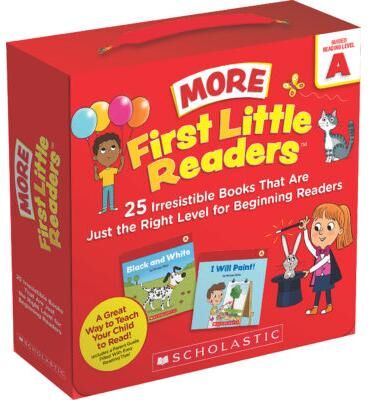
Scholastic Teaching Resources First Little Readers: MORE Guided Reading Level AIf you liked our bestselling First Little Readers Level A, you'll LOVE this brand-new set of adorable stories! Inside the little box, you'll find 25 kid-pleasing titles plus a tip-filled parent guide. Each book features simple text paired with...20,39 $*Shipping: 0,00 $Secure redirect to the provider
-
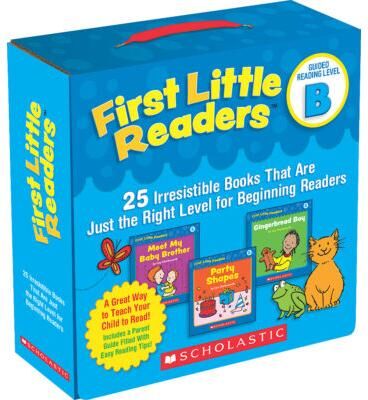
Scholastic Teaching Resources First Little Readers Parent Pack: Guided Reading Level BDesigned to motivate budding readers, these super-engaging storybooks feature simple text, decodable words, and strong picture cues. Each set comes with a tip-filled guide to help parents support their little learners! First Little Readers Parent...23,99 $*Shipping: 0,00 $Secure redirect to the provider
-
Scholastic Teaching Resources First Little Readers Guided Reading Pack (Levels A-F)Jumpstart reading success with this collection of motivating storybooks correlated with Guided Reading Levels A-F.This set includes:First Little Readers Parent Pack: Guided Reading Level AFirst Little Readers Parent Pack: Guided Reading Level BFirst...76,45 $*Shipping: 0,00 $Secure redirect to the provider
-
Scholastic Teaching Resources AlphaTales Box Set"A set of 26 irresistible animal storybooks that build phonemic awareness and teach each letter of the alphabet. Box set includes:- 26 full-color, 16-page 8"" x 10"" storybooks- 128-page teaching guide with lessons and mini-book versions of each..."74,99 $*Shipping: 0,00 $Secure redirect to the provider


-
Are pods environmentally friendly?
Pods are not necessarily environmentally friendly. While they may reduce waste compared to traditional single-use plastic packaging, many pods are still made of plastic and are not easily recyclable. Additionally, the production and transportation of pods can have a significant environmental impact. Some companies are working to make more sustainable pod options, such as compostable or recyclable materials, but it is important to research and choose environmentally friendly options when using pods. **
-
Is socialism environmentally friendly?
Socialism can be environmentally friendly as it often emphasizes collective ownership and control of resources, which can lead to more sustainable practices. By prioritizing the needs of the community over profit, socialist systems may be more inclined to implement policies that protect the environment. However, the extent to which socialism is environmentally friendly can vary depending on how it is implemented and the specific policies put in place. Ultimately, a combination of socialist principles and environmental considerations can lead to a more sustainable and eco-friendly society. **
-
Are cruises environmentally friendly?
Cruises are not considered environmentally friendly due to their significant impact on marine ecosystems and air quality. Cruise ships produce large amounts of air and water pollution, including emissions from engines, waste disposal, and ballast water discharge. Additionally, the construction and operation of cruise ships contribute to carbon emissions and other environmental issues. Efforts are being made to improve the environmental sustainability of cruises, such as implementing cleaner technologies and waste management practices, but there is still a long way to go in making the industry truly eco-friendly. **
-
Are hybrid cars environmentally friendly?
Hybrid cars are generally considered more environmentally friendly than traditional gasoline-powered cars because they produce lower emissions and have better fuel efficiency. The combination of an internal combustion engine and an electric motor in hybrid cars helps reduce fuel consumption and greenhouse gas emissions. However, the environmental impact of hybrid cars also depends on factors such as the source of electricity used to charge the electric motor and the manufacturing process of the vehicle. Overall, while hybrid cars are a step in the right direction towards reducing environmental impact, they are not completely emissions-free. **


Is nuclear power environmentally friendly?
Nuclear power has both advantages and disadvantages when it comes to its environmental impact. On one hand, nuclear power plants do not emit greenhouse gases during operation, which helps in reducing carbon emissions and combating climate change. However, the process of mining uranium, constructing nuclear plants, and managing radioactive waste can have negative environmental consequences. Additionally, the risk of accidents and the potential for long-term environmental damage in the event of a nuclear disaster are important factors to consider when evaluating the overall environmental friendliness of nuclear power. **
Is jojoba oil environmentally friendly?
Jojoba oil is considered environmentally friendly for several reasons. Jojoba plants are native to arid regions and require minimal water and resources to grow, making them a sustainable crop. Additionally, jojoba oil is biodegradable and non-toxic, making it safe for the environment. The cultivation of jojoba plants also helps prevent soil erosion and desertification, making it a beneficial crop for the environment. **
Top-Angebote
Products related to Scholastic-Teaching-Resources-First:
-
Scholastic Teaching Resources Phonics First Little Readers (Parent Pack)Set your child on the road to reading success with this library of adorable, illustrated mini books. The fun, easy-to-read stories in this collection give your child practice with must-know phonics skills, such as short vowels, long vowels,...20,39 $*Shipping: 0,00 $Secure redirect to the provider
-
Scholastic Teaching Resources First Little Comics Parent Pack: Levels A & BJumpstart your child's reading success with comics! Kids will love these laugh-out-loud books with very easy text in speech balloons. They'll also adore the zany cast of characters: monsters, owls, pigs, talking pumpkins, mice, magic fairies, and...23,99 $*Shipping: 0,00 $Secure redirect to the provider
-
Scholastic Teaching Resources First Little Readers: MORE Guided Reading Level AIf you liked our bestselling First Little Readers Level A, you'll LOVE this brand-new set of adorable stories! Inside the little box, you'll find 25 kid-pleasing titles plus a tip-filled parent guide. Each book features simple text paired with...20,39 $*Shipping: 0,00 $Secure redirect to the provider
-
Scholastic Teaching Resources First Little Readers Parent Pack: Guided Reading Level BDesigned to motivate budding readers, these super-engaging storybooks feature simple text, decodable words, and strong picture cues. Each set comes with a tip-filled guide to help parents support their little learners! First Little Readers Parent...23,99 $*Shipping: 0,00 $Secure redirect to the provider
-
Can tissues be disposed of in a more environmentally friendly way by composting them or putting them in the recycling bin?
Tissues cannot be composted or put in the recycling bin. Tissues are made of paper, but they are not suitable for recycling because they are often contaminated with bodily fluids and are too small and fragile to be processed in recycling facilities. Composting is also not recommended for tissues because they can introduce pathogens and contaminants into the composting process. The best way to dispose of tissues is to throw them in the regular trash. **
-
Is silicone environmentally friendly?
Silicone is considered to be more environmentally friendly than many other materials because it is durable, long-lasting, and can be recycled. It is non-toxic, does not leach harmful chemicals, and is resistant to extreme temperatures, reducing the need for frequent replacements. However, the production of silicone can still have environmental impacts, such as the use of fossil fuels in its manufacturing process. Overall, silicone is a better alternative to many other materials in terms of its environmental impact, but it is not completely without drawbacks. **
-
Are pods environmentally friendly?
Pods are not necessarily environmentally friendly. While they may reduce waste compared to traditional single-use plastic packaging, many pods are still made of plastic and are not easily recyclable. Additionally, the production and transportation of pods can have a significant environmental impact. Some companies are working to make more sustainable pod options, such as compostable or recyclable materials, but it is important to research and choose environmentally friendly options when using pods. **
-
Is socialism environmentally friendly?
Socialism can be environmentally friendly as it often emphasizes collective ownership and control of resources, which can lead to more sustainable practices. By prioritizing the needs of the community over profit, socialist systems may be more inclined to implement policies that protect the environment. However, the extent to which socialism is environmentally friendly can vary depending on how it is implemented and the specific policies put in place. Ultimately, a combination of socialist principles and environmental considerations can lead to a more sustainable and eco-friendly society. **
Similar search terms for Scholastic-Teaching-Resources-First
-
Scholastic Teaching Resources First Little Readers Guided Reading Pack (Levels A-F)Jumpstart reading success with this collection of motivating storybooks correlated with Guided Reading Levels A-F.This set includes:First Little Readers Parent Pack: Guided Reading Level AFirst Little Readers Parent Pack: Guided Reading Level BFirst...76,45 $*Shipping: 0,00 $Secure redirect to the provider
-
Scholastic Teaching Resources AlphaTales Box Set"A set of 26 irresistible animal storybooks that build phonemic awareness and teach each letter of the alphabet. Box set includes:- 26 full-color, 16-page 8"" x 10"" storybooks- 128-page teaching guide with lessons and mini-book versions of each..."74,99 $*Shipping: 0,00 $Secure redirect to the provider
-
Scholastic Teaching Resources First Little Readers Parent Pack: Guided Reading Levels G & HMotivate your growing reader with these super-engaging, 16-page storybooks correlated with guided reading levels G & H! Inside this sturdy storage box, you'll find 16 original titles plus a tip-filled parent guide. Each book features simple text,...20,39 $*Shipping: 0,00 $Secure redirect to the provider
-
Scholastic Teaching Resources First Little Comics Parent Pack: Levels E & FJumpstart your child's reading success with comics! Kids will love these laugh-out-loud books with very easy text in speech balloons. They'll also adore the zany cast of characters: monsters, owls, pigs, talking pumpkins, mice, magic fairies, and...23,99 $*Shipping: 0,00 $Secure redirect to the provider
-
Are cruises environmentally friendly?
Cruises are not considered environmentally friendly due to their significant impact on marine ecosystems and air quality. Cruise ships produce large amounts of air and water pollution, including emissions from engines, waste disposal, and ballast water discharge. Additionally, the construction and operation of cruise ships contribute to carbon emissions and other environmental issues. Efforts are being made to improve the environmental sustainability of cruises, such as implementing cleaner technologies and waste management practices, but there is still a long way to go in making the industry truly eco-friendly. **
-
Are hybrid cars environmentally friendly?
Hybrid cars are generally considered more environmentally friendly than traditional gasoline-powered cars because they produce lower emissions and have better fuel efficiency. The combination of an internal combustion engine and an electric motor in hybrid cars helps reduce fuel consumption and greenhouse gas emissions. However, the environmental impact of hybrid cars also depends on factors such as the source of electricity used to charge the electric motor and the manufacturing process of the vehicle. Overall, while hybrid cars are a step in the right direction towards reducing environmental impact, they are not completely emissions-free. **
-
Is nuclear power environmentally friendly?
Nuclear power has both advantages and disadvantages when it comes to its environmental impact. On one hand, nuclear power plants do not emit greenhouse gases during operation, which helps in reducing carbon emissions and combating climate change. However, the process of mining uranium, constructing nuclear plants, and managing radioactive waste can have negative environmental consequences. Additionally, the risk of accidents and the potential for long-term environmental damage in the event of a nuclear disaster are important factors to consider when evaluating the overall environmental friendliness of nuclear power. **
-
Is jojoba oil environmentally friendly?
Jojoba oil is considered environmentally friendly for several reasons. Jojoba plants are native to arid regions and require minimal water and resources to grow, making them a sustainable crop. Additionally, jojoba oil is biodegradable and non-toxic, making it safe for the environment. The cultivation of jojoba plants also helps prevent soil erosion and desertification, making it a beneficial crop for the environment. **
* All prices are inclusive of VAT and, if applicable, plus shipping costs. The offer information is based on the details provided by the respective shop and is updated through automated processes. Real-time updates do not occur, so deviations can occur in individual cases. ** Note: Parts of this content were created by AI.