Buy waste2go.eu ?
We are moving the project
waste2go.eu .
Are you interested in purchasing the domain
waste2go.eu ?
domain@kv-gmbh.de · 0541-91531010
Buy waste2go.eu ?
Why is natural gas more environmentally friendly than oil?
Natural gas is considered more environmentally friendly than oil because it produces fewer greenhouse gas emissions when burned. When natural gas is burned, it releases about half the carbon dioxide emissions compared to oil. Additionally, natural gas combustion produces lower levels of air pollutants such as sulfur dioxide and nitrogen oxides, which contribute to air pollution and acid rain. Overall, natural gas is seen as a cleaner and more efficient fossil fuel option compared to oil. **
Are pigments natural or artificial?
Pigments can be both natural and artificial. Natural pigments are derived from sources found in nature, such as plants, minerals, and animals. These pigments are often used in traditional art and cultural practices. On the other hand, artificial pigments are synthesized through chemical processes and are commonly used in modern industrial applications, such as inks, dyes, and paints. Both natural and artificial pigments have their own unique properties and applications. **
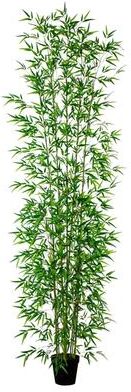

Similar search terms for Nearly-Natural-12-Artificial
Top-Angebote
Products related to Nearly-Natural-12-Artificial:
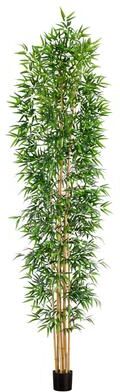


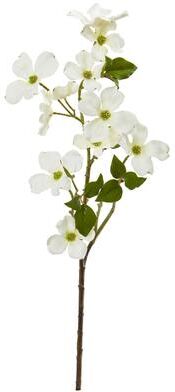
-
Artificial or natural Christmas tree?
The choice between an artificial or natural Christmas tree ultimately depends on personal preference and lifestyle. Artificial trees are convenient, reusable, and often more cost-effective in the long run. On the other hand, natural trees provide a traditional, authentic holiday experience and the fresh pine scent. Consider factors such as environmental impact, maintenance, and storage space when making your decision. Ultimately, both options can bring joy and festive spirit to your home during the holiday season. **
-
Is vinegar cleaner artificial and vinegar natural?
Vinegar can be both natural and artificial, depending on how it is produced. Natural vinegar is made through the fermentation of natural sugars in fruits or grains, while artificial vinegar is typically made from acetic acid and water. When purchasing vinegar, it is important to check the label to determine if it is natural or artificial. Natural vinegar is often preferred for its potential health benefits and more complex flavor profile. **
-
What are natural and artificial light sources?
Natural light sources are sources of light that occur in nature, such as the sun, stars, and fire. These sources emit light without the need for human intervention. Artificial light sources, on the other hand, are man-made sources of light, such as light bulbs, fluorescent lights, and LED lights. These sources require human intervention to produce light and are commonly used in indoor environments and at night. Both natural and artificial light sources are essential for providing illumination and enabling visibility in various settings. **
-
Can tissues be disposed of in a more environmentally friendly way by composting them or putting them in the recycling bin?
Tissues cannot be composted or put in the recycling bin. Tissues are made of paper, but they are not suitable for recycling because they are often contaminated with bodily fluids and are too small and fragile to be processed in recycling facilities. Composting is also not recommended for tissues because they can introduce pathogens and contaminants into the composting process. The best way to dispose of tissues is to throw them in the regular trash. **


Is silicone environmentally friendly?
Silicone is considered to be more environmentally friendly than many other materials because it is durable, long-lasting, and can be recycled. It is non-toxic, does not leach harmful chemicals, and is resistant to extreme temperatures, reducing the need for frequent replacements. However, the production of silicone can still have environmental impacts, such as the use of fossil fuels in its manufacturing process. Overall, silicone is a better alternative to many other materials in terms of its environmental impact, but it is not completely without drawbacks. **
Are pods environmentally friendly?
Pods are not necessarily environmentally friendly. While they may reduce waste compared to traditional single-use plastic packaging, many pods are still made of plastic and are not easily recyclable. Additionally, the production and transportation of pods can have a significant environmental impact. Some companies are working to make more sustainable pod options, such as compostable or recyclable materials, but it is important to research and choose environmentally friendly options when using pods. **
Top-Angebote
Products related to Nearly-Natural-12-Artificial:
-
Nearly Natural 12-ft Artificial Travelers Palm Tree - GreenMake a grand, green entrance wherever you choose to display this elegant artificial travelers palm tree. Expertly crafted by horticulturists using fine materials, this faux tree showcases lifelike details throughout its fronds.345,86 $*Shipping: 0,00 $Secure redirect to the provider
-
Why is natural gas more environmentally friendly than oil?
Natural gas is considered more environmentally friendly than oil because it produces fewer greenhouse gas emissions when burned. When natural gas is burned, it releases about half the carbon dioxide emissions compared to oil. Additionally, natural gas combustion produces lower levels of air pollutants such as sulfur dioxide and nitrogen oxides, which contribute to air pollution and acid rain. Overall, natural gas is seen as a cleaner and more efficient fossil fuel option compared to oil. **
-
Are pigments natural or artificial?
Pigments can be both natural and artificial. Natural pigments are derived from sources found in nature, such as plants, minerals, and animals. These pigments are often used in traditional art and cultural practices. On the other hand, artificial pigments are synthesized through chemical processes and are commonly used in modern industrial applications, such as inks, dyes, and paints. Both natural and artificial pigments have their own unique properties and applications. **
-
Artificial or natural Christmas tree?
The choice between an artificial or natural Christmas tree ultimately depends on personal preference and lifestyle. Artificial trees are convenient, reusable, and often more cost-effective in the long run. On the other hand, natural trees provide a traditional, authentic holiday experience and the fresh pine scent. Consider factors such as environmental impact, maintenance, and storage space when making your decision. Ultimately, both options can bring joy and festive spirit to your home during the holiday season. **
-
Is vinegar cleaner artificial and vinegar natural?
Vinegar can be both natural and artificial, depending on how it is produced. Natural vinegar is made through the fermentation of natural sugars in fruits or grains, while artificial vinegar is typically made from acetic acid and water. When purchasing vinegar, it is important to check the label to determine if it is natural or artificial. Natural vinegar is often preferred for its potential health benefits and more complex flavor profile. **
Similar search terms for Nearly-Natural-12-Artificial
-
Nearly Natural "24"" Sunflower Artificial Flower (Set of 12)"With a set of 12 included, the sunflower artificial stem's length is 24 inches and perfect for decorating. On top of the stem rests a large, bright yellow sunflower with small green leaves sitting behind it.76,55 $*Shipping: 0,00 $Secure redirect to the provider
-
Nearly Natural "29"" Gypsophila Artificial Flower (Set of 12)""Incorporate fall accenting into your decor scheme with this loose set of artificial flower stems. Arriving in a package of 12, each stem reaches 29"" long and showcases gypsophila flowers in a palette of autumn inspired hues."58,06 $*Shipping: 0,00 $Secure redirect to the provider
-
What are natural and artificial light sources?
Natural light sources are sources of light that occur in nature, such as the sun, stars, and fire. These sources emit light without the need for human intervention. Artificial light sources, on the other hand, are man-made sources of light, such as light bulbs, fluorescent lights, and LED lights. These sources require human intervention to produce light and are commonly used in indoor environments and at night. Both natural and artificial light sources are essential for providing illumination and enabling visibility in various settings. **
-
Can tissues be disposed of in a more environmentally friendly way by composting them or putting them in the recycling bin?
Tissues cannot be composted or put in the recycling bin. Tissues are made of paper, but they are not suitable for recycling because they are often contaminated with bodily fluids and are too small and fragile to be processed in recycling facilities. Composting is also not recommended for tissues because they can introduce pathogens and contaminants into the composting process. The best way to dispose of tissues is to throw them in the regular trash. **
-
Is silicone environmentally friendly?
Silicone is considered to be more environmentally friendly than many other materials because it is durable, long-lasting, and can be recycled. It is non-toxic, does not leach harmful chemicals, and is resistant to extreme temperatures, reducing the need for frequent replacements. However, the production of silicone can still have environmental impacts, such as the use of fossil fuels in its manufacturing process. Overall, silicone is a better alternative to many other materials in terms of its environmental impact, but it is not completely without drawbacks. **
-
Are pods environmentally friendly?
Pods are not necessarily environmentally friendly. While they may reduce waste compared to traditional single-use plastic packaging, many pods are still made of plastic and are not easily recyclable. Additionally, the production and transportation of pods can have a significant environmental impact. Some companies are working to make more sustainable pod options, such as compostable or recyclable materials, but it is important to research and choose environmentally friendly options when using pods. **
* All prices are inclusive of VAT and, if applicable, plus shipping costs. The offer information is based on the details provided by the respective shop and is updated through automated processes. Real-time updates do not occur, so deviations can occur in individual cases. ** Note: Parts of this content were created by AI.