Buy waste2go.eu ?
We are moving the project
waste2go.eu .
Are you interested in purchasing the domain
waste2go.eu ?
domain@kv-gmbh.de · 0541-91531010
Buy waste2go.eu ?
What is the difference between organic and eco-friendly products?
Organic products are made from ingredients that are grown without the use of synthetic pesticides, herbicides, or fertilizers, and are often certified by a regulatory body. Eco-friendly products, on the other hand, are designed to have minimal impact on the environment throughout their entire lifecycle, from production to disposal. While organic products focus on the natural ingredients used, eco-friendly products consider the overall environmental impact of the product. In essence, organic products focus on the ingredients, while eco-friendly products focus on the entire product lifecycle. **
What do you think about branded and generic products?
Branded products are typically more expensive due to the marketing and reputation associated with the brand, while generic products are usually more affordable as they do not have the same marketing costs. However, the quality of both branded and generic products can vary, so it's important to research and compare before making a purchase. In some cases, generic products can be just as effective as their branded counterparts, making them a cost-effective option for consumers. **


Similar search terms for GVP-Generic-Value-Products
Top-Angebote
Products related to GVP-Generic-Value-Products:
-
GVP Generic Value Products Hot Air Brush Compare to Drybar The Double Shot Hot Air BrushAchieve the salon blow out with mega volume and intense shine. 2.5 oval shaped brush with nylon and tufted soft bristles allows for perfect tension and control.59,99 $*Shipping: 0,00 $Secure redirect to the provider
-
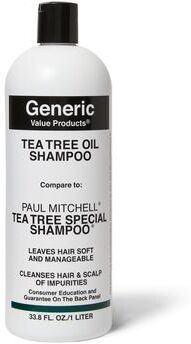
Generic Value Products Tea Tree Oil Shampoo Compare to Paul Mitchell Tea Tree Special Shampoo 33.8 oz 33.8 OzGVP Tea Tree Oil Shampoo Compare to: Paul Mitchell Tea Tree Special Shampoo is formulated with special conditioning agents and activated moisture blends that smooth, soften and help prevent moisture loss while stimulating the scalp to promote...21,99 $*Shipping: 0,00 $Secure redirect to the provider
-
Generic Value Products Tea Tree Oil Conditioner Compare to Paul Mitchell Tea Tree Special Conditioner 33.8 oz 34.37 OzGVP Tea Tree Oil Conditioner Compare to Paul Mitchell Tea Tree Special Conditioner is formulated with exclusive blends to smooth and soften the hair’s surface, removing tangles for easier wet and dry combing. GVP Tea Tree Oil Conditioner helps...21,99 $*Shipping: 0,00 $Secure redirect to the provider
-
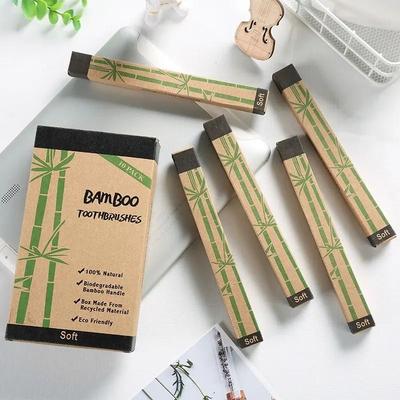
Uplift Essentials Natural Eco Friendly Bamboo Toothbrush Set Colorful 10 Piece Value Pack Natural Eco Friendly Bamboo Toothbrush Set Colorful 10 Piece Value PackSwitch to a greener routine with this natural bamboo toothbrush set, designed to combine sustainability with a vibrant, modern aesthetic. Crafted from 100% renewable bamboo, these toothbrushes offer a lightweight and biodegradable alternative to...44,97 $*Shipping: 0,00 $Secure redirect to the provider


-
What is more environmentally friendly: eating local products and meat or imported products but not eating meat?
Eating local products and meat is generally more environmentally friendly than consuming imported products but not eating meat. This is because the transportation of imported products contributes to greenhouse gas emissions and energy consumption. Additionally, the production of meat, especially beef, has a significant environmental impact in terms of land use, water consumption, and methane emissions. By choosing local products and meat, one can reduce the carbon footprint associated with transportation and support sustainable farming practices. However, it's important to note that the environmental impact of food choices can vary depending on factors such as farming practices, transportation methods, and the specific product in question. **
-
Can tissues be disposed of in a more environmentally friendly way by composting them or putting them in the recycling bin?
Tissues cannot be composted or put in the recycling bin. Tissues are made of paper, but they are not suitable for recycling because they are often contaminated with bodily fluids and are too small and fragile to be processed in recycling facilities. Composting is also not recommended for tissues because they can introduce pathogens and contaminants into the composting process. The best way to dispose of tissues is to throw them in the regular trash. **
-
Is silicone environmentally friendly?
Silicone is considered to be more environmentally friendly than many other materials because it is durable, long-lasting, and can be recycled. It is non-toxic, does not leach harmful chemicals, and is resistant to extreme temperatures, reducing the need for frequent replacements. However, the production of silicone can still have environmental impacts, such as the use of fossil fuels in its manufacturing process. Overall, silicone is a better alternative to many other materials in terms of its environmental impact, but it is not completely without drawbacks. **
-
Are pods environmentally friendly?
Pods are not necessarily environmentally friendly. While they may reduce waste compared to traditional single-use plastic packaging, many pods are still made of plastic and are not easily recyclable. Additionally, the production and transportation of pods can have a significant environmental impact. Some companies are working to make more sustainable pod options, such as compostable or recyclable materials, but it is important to research and choose environmentally friendly options when using pods. **


Is socialism environmentally friendly?
Socialism can be environmentally friendly as it often emphasizes collective ownership and control of resources, which can lead to more sustainable practices. By prioritizing the needs of the community over profit, socialist systems may be more inclined to implement policies that protect the environment. However, the extent to which socialism is environmentally friendly can vary depending on how it is implemented and the specific policies put in place. Ultimately, a combination of socialist principles and environmental considerations can lead to a more sustainable and eco-friendly society. **
Are cruises environmentally friendly?
Cruises are not considered environmentally friendly due to their significant impact on marine ecosystems and air quality. Cruise ships produce large amounts of air and water pollution, including emissions from engines, waste disposal, and ballast water discharge. Additionally, the construction and operation of cruise ships contribute to carbon emissions and other environmental issues. Efforts are being made to improve the environmental sustainability of cruises, such as implementing cleaner technologies and waste management practices, but there is still a long way to go in making the industry truly eco-friendly. **
Top-Angebote
Products related to GVP-Generic-Value-Products:
-
GVP Generic Value Products 1” Straightening Iron Compare to Drybar Tress Press Titanium Flat IronDual purpose design with curved edge plates to create any style from straight to curly and everything in between.Infrared titanium plates that maintain an even temperature, eliminating damaging hot spots that can cause damage and breakage. Negative...59,99 $*Shipping: 0,00 $Secure redirect to the provider
-
GVP Generic Value Products Hot Air Brush Compare to Drybar The Double Shot Hot Air BrushAchieve the salon blow out with mega volume and intense shine. 2.5 oval shaped brush with nylon and tufted soft bristles allows for perfect tension and control.59,99 $*Shipping: 0,00 $Secure redirect to the provider
-
Generic Value Products Tea Tree Oil Shampoo Compare to Paul Mitchell Tea Tree Special Shampoo 33.8 oz 33.8 OzGVP Tea Tree Oil Shampoo Compare to: Paul Mitchell Tea Tree Special Shampoo is formulated with special conditioning agents and activated moisture blends that smooth, soften and help prevent moisture loss while stimulating the scalp to promote...21,99 $*Shipping: 0,00 $Secure redirect to the provider
-
What is the difference between organic and eco-friendly products?
Organic products are made from ingredients that are grown without the use of synthetic pesticides, herbicides, or fertilizers, and are often certified by a regulatory body. Eco-friendly products, on the other hand, are designed to have minimal impact on the environment throughout their entire lifecycle, from production to disposal. While organic products focus on the natural ingredients used, eco-friendly products consider the overall environmental impact of the product. In essence, organic products focus on the ingredients, while eco-friendly products focus on the entire product lifecycle. **
-
What do you think about branded and generic products?
Branded products are typically more expensive due to the marketing and reputation associated with the brand, while generic products are usually more affordable as they do not have the same marketing costs. However, the quality of both branded and generic products can vary, so it's important to research and compare before making a purchase. In some cases, generic products can be just as effective as their branded counterparts, making them a cost-effective option for consumers. **
-
What is more environmentally friendly: eating local products and meat or imported products but not eating meat?
Eating local products and meat is generally more environmentally friendly than consuming imported products but not eating meat. This is because the transportation of imported products contributes to greenhouse gas emissions and energy consumption. Additionally, the production of meat, especially beef, has a significant environmental impact in terms of land use, water consumption, and methane emissions. By choosing local products and meat, one can reduce the carbon footprint associated with transportation and support sustainable farming practices. However, it's important to note that the environmental impact of food choices can vary depending on factors such as farming practices, transportation methods, and the specific product in question. **
-
Can tissues be disposed of in a more environmentally friendly way by composting them or putting them in the recycling bin?
Tissues cannot be composted or put in the recycling bin. Tissues are made of paper, but they are not suitable for recycling because they are often contaminated with bodily fluids and are too small and fragile to be processed in recycling facilities. Composting is also not recommended for tissues because they can introduce pathogens and contaminants into the composting process. The best way to dispose of tissues is to throw them in the regular trash. **
Similar search terms for GVP-Generic-Value-Products
-
Generic Value Products Tea Tree Oil Conditioner Compare to Paul Mitchell Tea Tree Special Conditioner 33.8 oz 34.37 OzGVP Tea Tree Oil Conditioner Compare to Paul Mitchell Tea Tree Special Conditioner is formulated with exclusive blends to smooth and soften the hair’s surface, removing tangles for easier wet and dry combing. GVP Tea Tree Oil Conditioner helps...21,99 $*Shipping: 0,00 $Secure redirect to the provider
-
Uplift Essentials Natural Eco Friendly Bamboo Toothbrush Set Colorful 10 Piece Value Pack Natural Eco Friendly Bamboo Toothbrush Set Colorful 10 Piece Value PackSwitch to a greener routine with this natural bamboo toothbrush set, designed to combine sustainability with a vibrant, modern aesthetic. Crafted from 100% renewable bamboo, these toothbrushes offer a lightweight and biodegradable alternative to...44,97 $*Shipping: 0,00 $Secure redirect to the provider
-
Generic Value Products Tea Tree Oil Lavender Shampoo Compare to Paul Mitchell Lavender Mint Moisturizing Shampoo 33.8 oz 33.8 Fl Oz"""GVP Tea Tree Oil Lavender Shampoo is a moisture rich shampoo that hydrates dry hair. Enriched with tea tree oil, lavender, and mint. Nourishes dry, thirsty hair, while adding body and shine. Compare to Paul Mitchell Lavender Mint Moisturizing..."21,99 $*Shipping: 0,00 $Secure redirect to the provider
-
Generic Value Products Tea Tree Oil Lavender Conditioner Compare to Paul Mitchell Lavender Mint Moisturizing Conditioner 33.8 oz 33.8 Fl OzGVP Tea Tree Oil Lavender Conditioner features an invigorating fragrance that contains essences of lavender and mint that help to induce relaxation. Compare to Paul Mitchell Lavender Mint Moisturizing Conditioner and save! The GVP Generic Value...21,99 $*Shipping: 0,00 $Secure redirect to the provider
-
Is silicone environmentally friendly?
Silicone is considered to be more environmentally friendly than many other materials because it is durable, long-lasting, and can be recycled. It is non-toxic, does not leach harmful chemicals, and is resistant to extreme temperatures, reducing the need for frequent replacements. However, the production of silicone can still have environmental impacts, such as the use of fossil fuels in its manufacturing process. Overall, silicone is a better alternative to many other materials in terms of its environmental impact, but it is not completely without drawbacks. **
-
Are pods environmentally friendly?
Pods are not necessarily environmentally friendly. While they may reduce waste compared to traditional single-use plastic packaging, many pods are still made of plastic and are not easily recyclable. Additionally, the production and transportation of pods can have a significant environmental impact. Some companies are working to make more sustainable pod options, such as compostable or recyclable materials, but it is important to research and choose environmentally friendly options when using pods. **
-
Is socialism environmentally friendly?
Socialism can be environmentally friendly as it often emphasizes collective ownership and control of resources, which can lead to more sustainable practices. By prioritizing the needs of the community over profit, socialist systems may be more inclined to implement policies that protect the environment. However, the extent to which socialism is environmentally friendly can vary depending on how it is implemented and the specific policies put in place. Ultimately, a combination of socialist principles and environmental considerations can lead to a more sustainable and eco-friendly society. **
-
Are cruises environmentally friendly?
Cruises are not considered environmentally friendly due to their significant impact on marine ecosystems and air quality. Cruise ships produce large amounts of air and water pollution, including emissions from engines, waste disposal, and ballast water discharge. Additionally, the construction and operation of cruise ships contribute to carbon emissions and other environmental issues. Efforts are being made to improve the environmental sustainability of cruises, such as implementing cleaner technologies and waste management practices, but there is still a long way to go in making the industry truly eco-friendly. **
* All prices are inclusive of VAT and, if applicable, plus shipping costs. The offer information is based on the details provided by the respective shop and is updated through automated processes. Real-time updates do not occur, so deviations can occur in individual cases. ** Note: Parts of this content were created by AI.